
Astronaut - Comets - NASA - Space - Spacecraft - UFOs
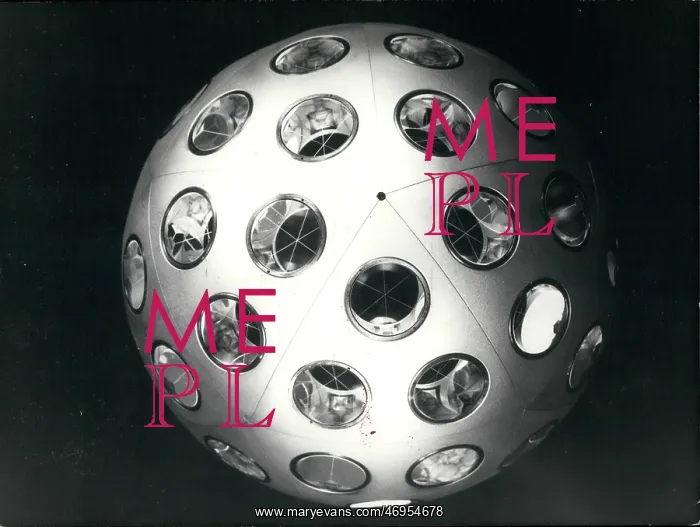
Feb. 26 The French National Center for Space Studies will send the geodesic satellite Starlette into the skies via the first B P4 rocket. Starlette has the form of a ball covered with 60 laser reflecting sheets. The satellite is entirely passive and has two main sections. The real heart of the satellite is of uranium 238, non-radioactive. The outer surface of the satellite is of aluminum and Magnesium alloy, composed 20 spheric segments each of which support 3 laser reflectors. The satellite will be followed from earth stations by laser beams and with optical instruments. Measuring the distance between the the satellite and the earth observation stations, one can measure irregularities in the satellite's course which disclose changes in gravitation- and these in turn can be translated into changes and movements taking place on the surface of our planet. Specifications of the satellite Starlette': diameter 240 mm, radius 120 mm, weight of the hearth 36 kilos, weight of the entire satellite 47 kilos, density 6.5
Pick your License
Restrictions Only for United Kingdom
Alloy Aluminum Beams Changes Composed Density Diameter Disclose Entire Entirely Followed Geodesic Hearth Irregularities Kilos Laser Magnesium Measure Measuring Optical Passive Radius Reflecting Reflectors Satellite Satellites Sections Segments Send Sheets Specifications Studies Translated Uranium
Features In These Collections
> Contributors > KEY


