
Computers - Electronics - Robots - Technology - TV's
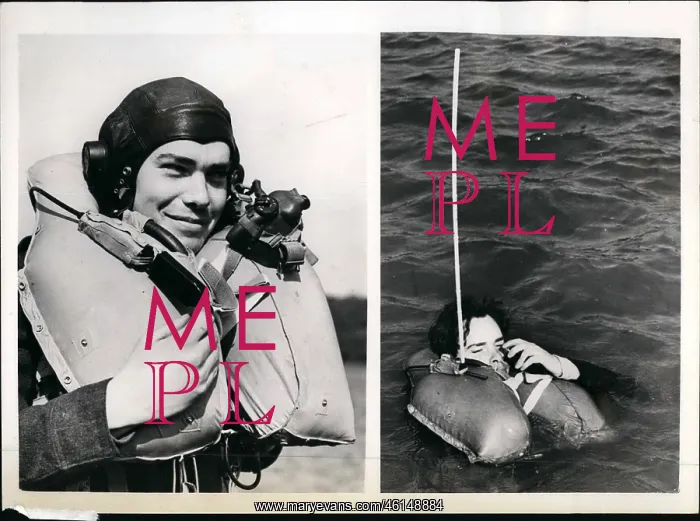
May 05, 1953 - LIFESAVER SARAH.. SARAH - short for Search and Rescue and Homing - is a new radio device for saving air-crash survivors, shipwrecked seamen and stranded personnel in mountains, jungle and in desert. A radio beacon weighing only 20 ounces with a 32-ounce battery fitted to the survivor's life-jacket, transmits a signal to guide searching aircraft. The stranded man pulls a ring which releases a 31-inch flexible aerial and starts the transmitter. Transmission can be maintained for 20 hours with a maximum range of 66 miles to an aircraft at 10, 000 feet. A distress signal at see can thus be picked up by an aircraft within an area of 10, 000 square miles. The signals are displayed on a cathode ray tube in the rescuing aircraft. The rescuing craft then homes on to the signal which suddenly vanishes when the aircraft is above the stranded man. A two-way speech unit provides means of verbal communication in between rescuer and survivor at close range. Keystone Photo Shows:- On left - SARAH, the new radio life - saving device, is seen before a water test, showing the oscillator and aerial containers. On right - SARAH is seen being demonstrated in water, with the survivor using his hand microphone, with erected aerial
Pick your License
Restrictions Only for United Kingdom
Battery Beacon Cathode Containers Demonstrated Displayed Erected Fitted Flexible Homing Lifesaver Maintained Maximum Means Oscillator Ounces Picked Provides Pulls Releases Rescuer Rescuing Saving Seamen Searching Shipwrecked Signals Starts Stranded Suddenly Survivor Survivors Thus Transmission Transmits Transmitter Two-way Vanishes Verbal Weighing
Features In These Collections
> Contributors > KEY


