Edison phonograph
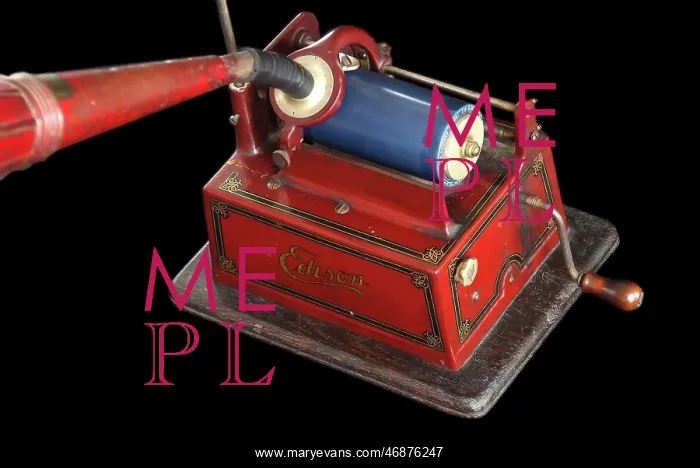
Edison phonograph, circa 1880s. The phonograph is a device, invented in 1877, for the mechanical recording and reproduction of sound. In its later forms, it is also called a gramophone (as a trademark since 1887, as a generic name in the UK since 1910), or, since the 1940s, a record player. The sound vibration waveforms are recorded as corresponding physical deviations of a spiral groove engraved, etched, incised, or impressed into the surface of a rotating cylinder or disc, called a "record". To recreate the sound, the surface is similarly rotated while a playback stylus traces the groove and is therefore vibrated by it, very faintly reproducing the recorded sound. In early acoustic phonographs, the stylus vibrated a diaphragm which produced sound waves which were coupled to the open air through a flaring horn, or directly to the listener's ears through stethoscope-type earphones
Pick your License
Antiquarian Aural Collectable Contraption Cylinder Cylinders Edison Ephemera Gadget Gimmick Gizmo Graph Listen Phono Phonograph Quirky Recorded Rotate Rotating Rotation Sounds Widget Winding
Features In These Collections
> Contributors > MAU