
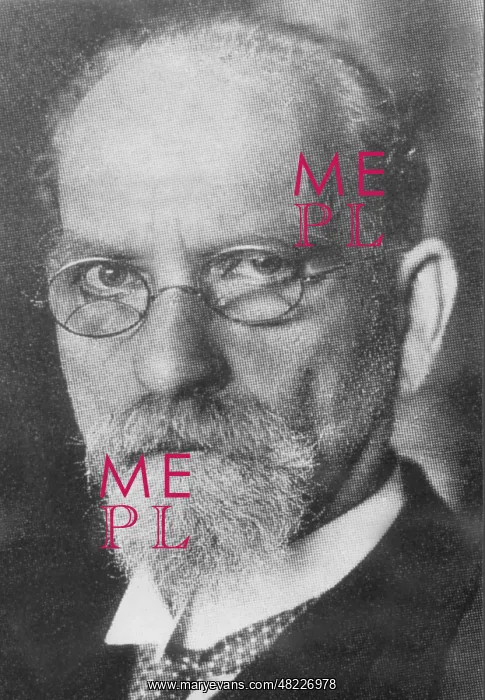
Edmund Husserl
Edmund Husserl (1859 - 1938), a German philosopher, since 1901 professor in Goettingen, since 1916 in Freiburg im Breisgau. He turned against psychologism, historicism and scientism and created an analytical, yet intuitive science, phenomenology, the philosophical study of the structures of experience and consciousness. Phenomenology, in Husserl's conception, is primarily concerned with the systematic reflection on and study of the structures of consciousness and the phenomena that appear in acts of consciousness. His teaching was a major influence on the philosophy but also on art and literature
Pick your License
Restrictions Only for Canada and Curacao and United Kingdom and United States Of America
Acts Analytical Appear Breisgau Conception Concerned Consciousness Experience Freiburg Goettingen Historicism Influence Phenomenology Philosophical Philosophy Primarily Structures Systematic
Features In These Collections
> Contributors > SDZ


