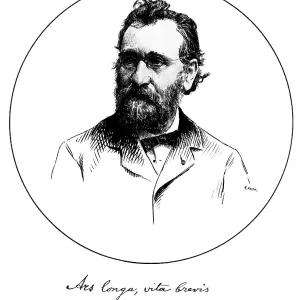
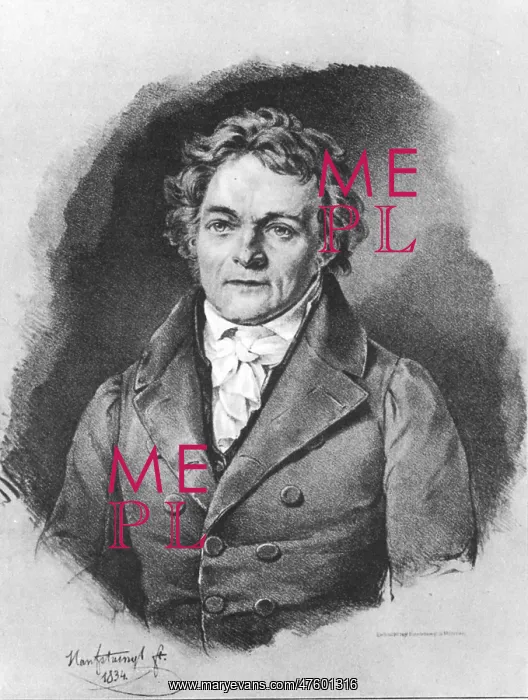
Alois Senefelder, German Inventor
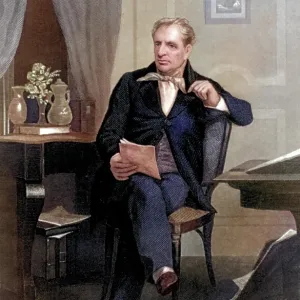
Johann Alois Senefelder (November 6, 1771 - February 26, 1834) was a German actor and playwright who invented the printing technique of lithography in 1796. He experimented with a novel etching technique using a greasy, acid resistant ink as a resist on a smooth fine-grained limestone. He then discovered that this could be extended to allow printing from the flat surface of the stone alone, the first planographic process in printing. He gradually brought his technique into a workable form, perfecting both the chemical processes and the special form of printing press required for using the stones. He called it stone printing or chemical printing, but the French name lithography became more widely adopted. A Complete Course of Lithography combined the history of his invention with a practical guide to lithography, and remained in print into the early 20th century. His invention made printing more affordable and available to more people, and was important in art and newspaper printing. He died in 1834 at the age of 62
Pick your License
Restrictions Only for Ireland and United Kingdom
1771 1796 1834 Alois Aloys Lithography Nepomuk Senefelder
Features In These Collections
> Contributors > PHR