Apiary, Skep Beehives
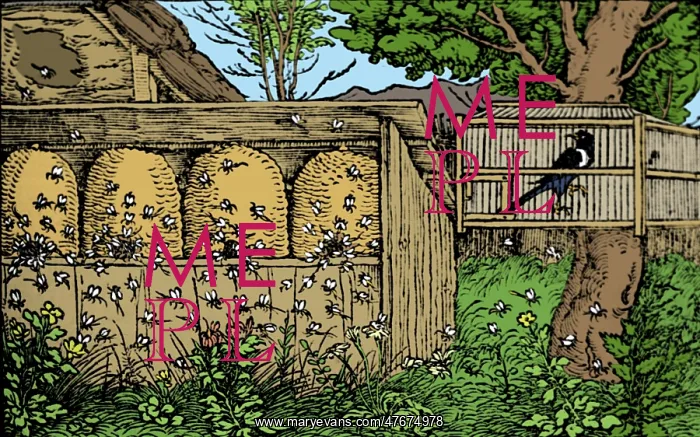
A beehive is an enclosed structure man-made in which some honey bee species of the subgenus Apis live and raise their young. Several species of Apis live in colonies, but for honey production the western honey bee (Apis mellifera) and the eastern honey bee (Apis cerana) are the main species kept in hives. There are four basic styles of traditional beehive; mud hives, clay/tile hives, skeps and bee gums. The technology of beekeeping has remained fairly constant throughout the centuries. Beekeeping is the maintenance of honey bee colonies, commonly in hives, by humans. A beekeeper keeps bees in order to collect honey and other products of the hive (including beeswax, propolis, pollen, and royal jelly), to pollinate crops, or to produce bees for sale to other beekeepers. A location where bees are kept is called an apiary. Honey is a sweet food made by bees using nectar from flowers. Beekeeping practices encourage overproduction of honey so the excess can be taken from the colony. Honeybees weren't native to North America. They were brought over by the English colonists in the early 17th century. Garden and historic house lecture series in the Frances Benjamin Johnston Collection
Pick your License
Restrictions Only for Ireland and United Kingdom
Apiarist Apiary Apicology Apiculture Beehive Beekeeper Beekeeping Birdcage Colonies Hive Honey Honeybee Keeper Keeping Management Melittology Pollination Skep Woodblock
Features In These Collections
> Contributors > PHR