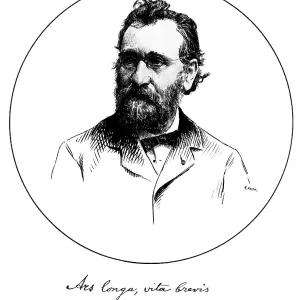
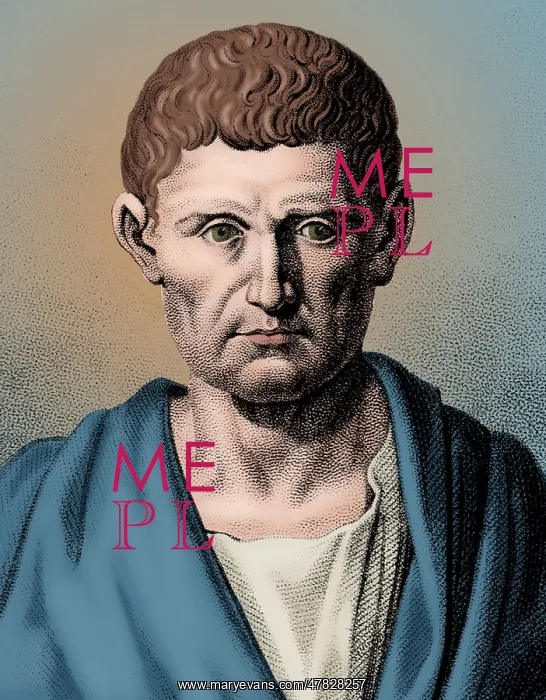
Aristotle, Ancient Greek Polymath
Aristotle (384 - 322 BC) was an ancient Greek philosopher, polymath, student of Plato and teacher of Alexander the Great. His writings cover many subjects, including physics, metaphysics, poetry, theater, music, logic, rhetoric, linguistics, politics, government, ethics, biology, and zoology. Together with Plato and Socrates, Aristotle is one of the most important founding figures in Western philosophy. His writings were the first to create a comprehensive system of Western philosophy, encompassing morality and aesthetics, logic and science, politics and metaphysics. His views on physical science profoundly shaped medieval scholarship. Their influence extended into the Renaissance and were not replaced systematically until the Enlightenment. He died in 322 BC of natural causes at the age of 62
Pick your License
Restrictions Only for Ireland and United Kingdom
Aesthetics Aristotle Biology Causes Comprehensive Create Encompassing Enlightenment Ethics Extended Founding Influence Linguistics Logic Metaphysics Morality Philosophy Plato Polymath Profoundly Replaced Rhetoric Scholarship Socrates Subjects Systematically Writings
Features In These Collections
> Contributors > PHR