
Avicenna, Persian Polymath
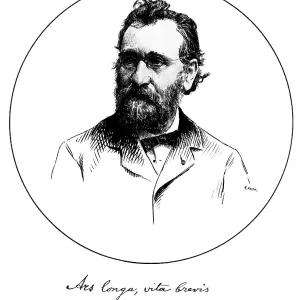
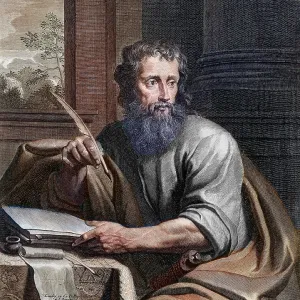
Abu Ali al-Husayn ibn Abd Allah ibn Sina (980-1037), commonly known as Ibn Sina or by his Latinized name Avicenna, was a Persian polymath, who wrote almost 450 treatises on a wide range of subjects, of which around 240 have survived. His most famous works are The Book of Healing, a vast philosophical and scientific encyclopedia, and The Canon of Medicine, which was a standard medical text at many medieval universities. The Canon of Medicine provides a complete system of medicine according to the principles of Galen and Hippocrates. His corpus also includes writing on philosophy, astronomy, alchemy, geology, psychology, Islamic theology, logic, mathematics, physics, as well as poetry. He is regarded as the most famous and influential polymath of the Islamic Golden Age. A severe colic, which seized him on the march of the army against Hamadan, was checked by remedies so violent that Ibn Sina could scarcely stand. On his deathbed he bestowed his goods on the poor, restored unjust gains, freed his slaves, and read through the Qur'an every three days until his death. He died in 1037 at the age of 58. Woodcut, no artist credited, undated
Pick your License
Restrictions Only for Ireland and United Kingdom
1037 According Al-husayn Alchemy Allah Avicenna Bestowed Canon Checked Commonly Corpus Credited Deathbed Encyclopedia Freed Gains Galen Hamadan Healing Hippocrates Includes Iranian Logic Mathematics Philosophical Philosophy Polymath Principles Provides Psychology Quran Regarded Remedies Scarcely Seized Severe Sina Slaves Subjects Survived Theology Treatises Universities Unjust Vast Violent Wrote
Features In These Collections
> Contributors > PHR