Donald Glaser, American Physicist and Biologist
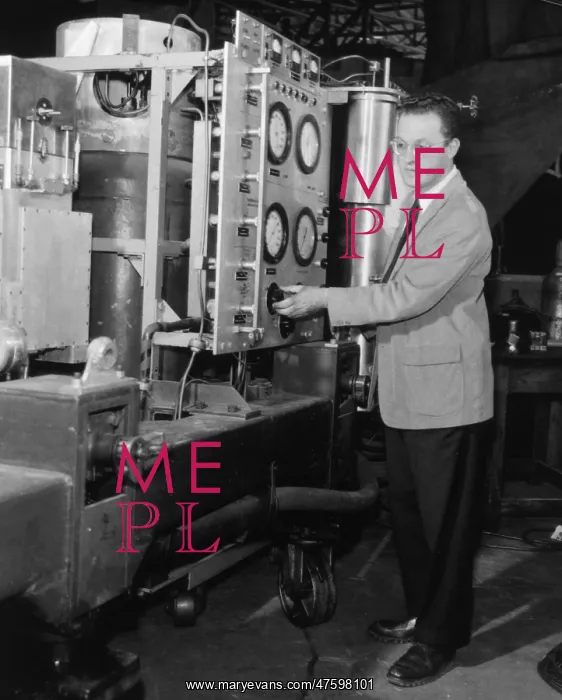
Donald Arthur Glaser (born September 21, 1926), is an American physicist, neurobiologist, and Nobel Prize Physics laureate (1960) for his invention of the Bubble chamber used in subatomic particle physics. A bubble chamber is a vessel filled with a superheated transparent liquid (most often liquid hydrogen) used to detect electrically charged particles moving through it. After winning the Nobel Prize, Glaser began to think about switching from physics into a new field and began to study biology doing experiments with bacterial phages, bacteria mammalian cells and studying the development of cancer cells. He automated the process of pouring out agar, spreading culture, and counting colonies of cells using a machine he called the dumbwaiter. It took photographs, administered chemicals, and had a mechanical hand to pick up colonies. As molecular biology became more dependent on biochemistry, Glaser again considered changing fields. Currently he is working on computational modeling of the visual system and visual psychophysics