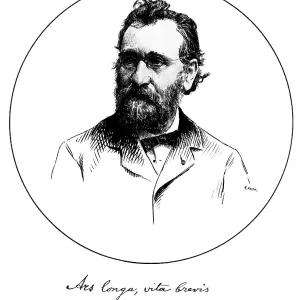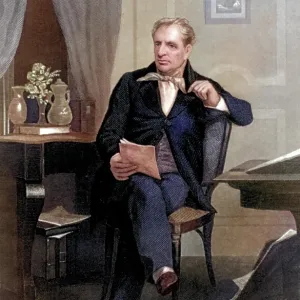
Earl W. Sutherland, American Biochemist
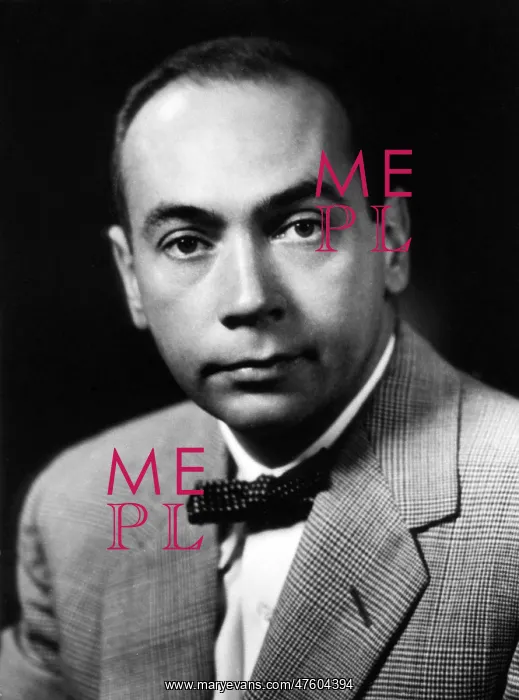
Earl Wilbur Sutherland Jr. (November 19, 1915 - March 9, 1974) was an American pharmacologist and biochemist. His first encounter with research was as an assistant in the laboratory of Carl Ferdinand Cori, who won a Nobel Prize in 1947 for his discovery of the mechanism of glycogen metabolism. Under Cori's guidance, he conducted research on the effects of the hormones epinephrine and glucagon on the breakdown of glycogen to glucose. I In 1944, during World War II, Sutherland was called into service as a battalion surgeon under General George S. Patton, and was later was sent to Germany, where he served as a staff physician in a military hospital. In 1953, Sutherland moved to Cleveland, Ohio for a position as a professor of pharmacology at Case Western Reserve University. There he collaborated with Theodore Rall, who was to become a lifelong research partner. During his ten years there, Sutherland made several ground-breaking discoveries that led to the identification of Cyclic adenosine monophosphate, or cyclic AMP, and its role as a secondary messenger. He identified the importance of liver phosphorylase (LP) in the process of glycogenolysis. LP would become the subject of his research for the next several years, and it was through experimentation on LP and hormone interaction that his most renowned discovery was made. Sutherland won a Nobel Prize in Physiology or Medicine in 1971 for his discoveries concerning the mechanisms of the action of hormones, especially epinephrine, via second messengers, namely cyclic adenosine monophosphate, or cyclic AMP. He died in 1974 at the age of 58
Pick your License
Restrictions Only for Ireland and United Kingdom
Biochemist Biochemistry Cyclic Hormones Identification Laureate Nobelist Pharmacologist Recipient Wilbur
Features In These Collections
> Contributors > PHR