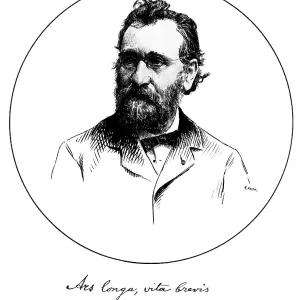
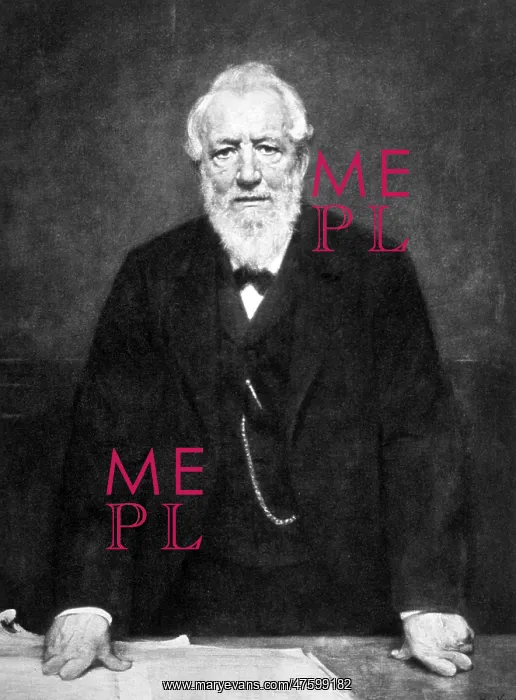
Emil du Bois-Reymond, German Physician and Physiologist
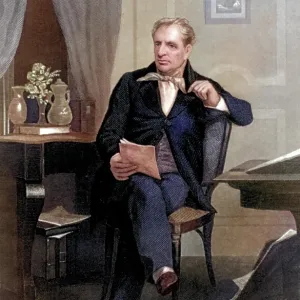
Emil du Bois-Reymond (1818-1896) was a German physician and physiologist, the discoverer of nerve action potential, and the father of experimental electrophysiology. An action potential occurs when a neuron sends information down an axon, away from the cell body. Neuroscientists use other words, such as a spike or an impulse for the action potential. Electrophysiology is the study of the electrical properties of biological cells and tissues. It involves measurements of voltage change or electric current on a wide variety of scales from single ion channel proteins to whole organs like the heart. In 1880 Bois-Reymond gave a speech outlining seven world riddles some of which, he declared, neither science nor philosophy could ever explain: the ultimate nature of matter and force, the origin of motion, the origin of life, the apparently teleological arrangements of nature, the origin of simple sensations, the origin of intelligent thought and language and the question of freewill. Du Bois-Reymond is fondly remembered also in terms of the ignorabimus. The Latin maxim ignoramus et ignorabimus, meaning we do not know and will not know, stood for a position on the limits of scientific knowledge, in the thought of the nineteenth century. He lived to be 78 and died of natural causes
Pick your License
Restrictions Only for Ireland and United Kingdom
1818 Biological Bois Cells Discovered Electrophysiologist Emil Experimental Maxim Nerve Neuroscience Neuroscientist Physiology Potential Properties Reymond Riddles Tissues
Features In These Collections
> Contributors > PHR