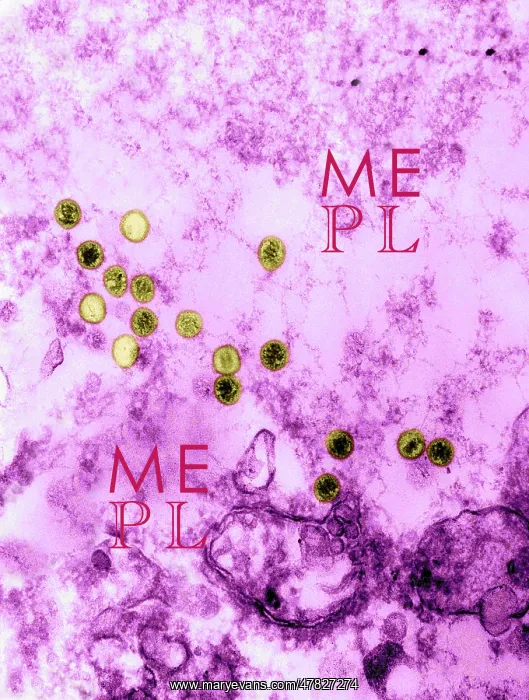
Epstein-Barr Virus, TEM
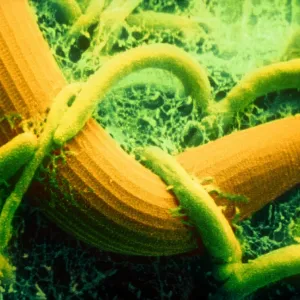
Transmission Electron Micrograph (TEM) revealing the presence of numerous Epstein-Barr virus (EBV) virions. The Epstein-Barr virus (EBV), also called human herpesvirus 4 (HHV-4), is one of eight known human herpesvirus types in the herpes family, and is one of the most common viruses in humans.It is best known as the cause of infectious mononucleosis (glandular fever). It is also associated with particular forms of cancer, such as Hodgkin's lymphoma, Burkitt's lymphoma, gastric cancer, nasopharyngeal carcinoma, and conditions associated with human immunodeficiency virus (HIV), such as hairy leukoplakia and central nervous system lymphomas. Some 200, 000 cancer cases per year are thought to be attributable to EBV. Infection with EBV occurs by the oral transfer of saliva and genital secretions. EBV is a double-stranded DNA (dsDNA) virus. Magnification: unknown
Pick your License
Restrictions Only for Ireland and United Kingdom
Abnormal Barr Cancer Carcinoma Cases Cause Electron Epstein Fever Forms Gastric Genital Glandular Hairy Humans Immunodeficiency Infection Infectious Lymphoma Magnification Micrograph Nervous Numerous Occurs Oral Particular Pathogen Pathology Presence Revealing Saliva Transfer Transmission Virions Virus Viruses
Features In These Collections
> Contributors > PHR