Forensics, Entomological Evidence
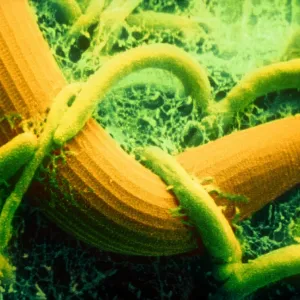
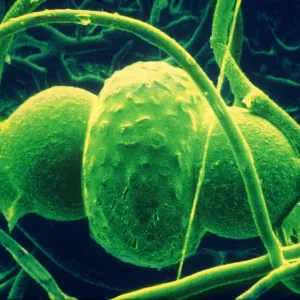
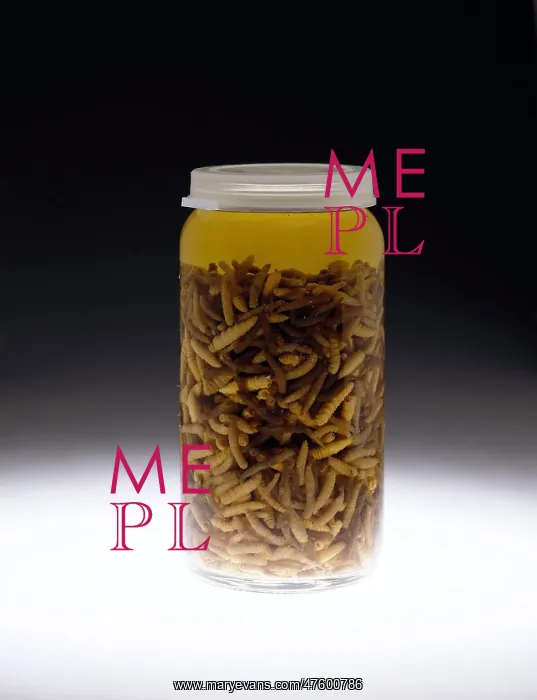
Entomological evidence, September 22, 1986. These third stage black blow fly (Phormia regina) larvae were recovered from the body of Sylvia Hunt, a murder victim found wrapped in a carpet on a Connecticut roadside. Blow fly larvae were feeding on, and moving in and around, the body. Pale and dark brown blow fly puparia were recovered, along with 4, 000 larvae, for laboratory study. An autopsy revealed that the victim, Sylvia Hunt, had been stabbed 15 times. Forensic entomologist William Krinsky determined from climate and insect evidence that blow flies had deposited eggs on the corpse seven days earlier. The carpet pattern matched one in the room occupied by a suspect. The insect and carpet evidence helped convict him of first-degree murder. Each female blow fly deposits about 250 eggs in the natural openings of the body and open wounds. The eggs hatch into first-stage maggots within 24 hours. These feed and then molt into second-stage maggots, which feed for several hours, and then molt into third-stage maggots. Masses of third-stage maggots may produce heat, which can raise the temperature around them more than 10o C. After more feeding, the third-stage maggots move away from the body and metamorphise into adult flies
Pick your License
Restrictions Only for Ireland and United Kingdom
Blow Cadaver Colonize Connecticut Container Deposit Determine Develop Enforcement Entomological Entomology Estimate Evidence Forensic Helper Interval Investigate Investigation Larvae Medico Mortem Recover Regina Roadside Wrap
Features In These Collections
> Contributors > PHR