Frederick Douglass, The Fugitive's Song
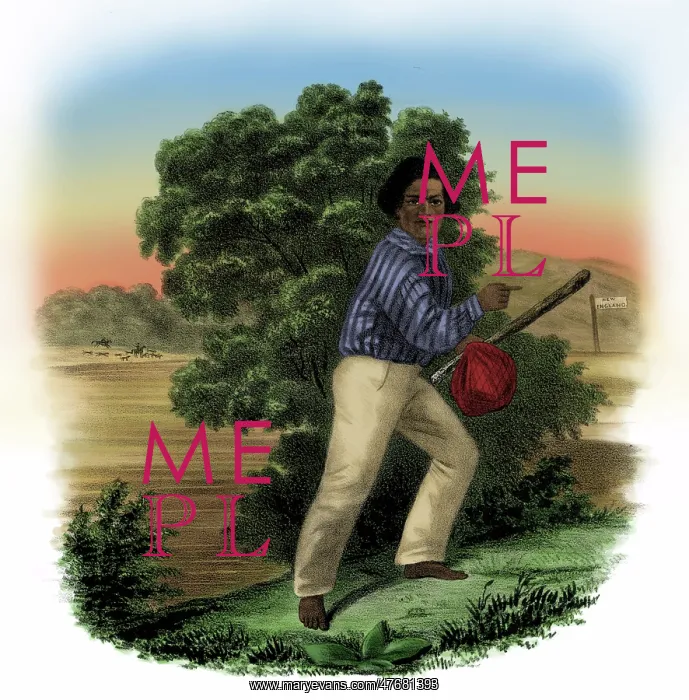
A sheet music cover illustrated with a portrait of Frederick Douglass as a runaway slave. Douglass flees barefoot from two mounted pursuers who appear across the river behind him with their pack of dogs. Ahead, to the right, a signpost points toward New England. The cover's text states that The Fugitive's Song was composed and respectfully dedicated, in token of confident esteem to Frederick Douglass, 1845. Frederick Douglass (February 1818 - February 20, 1895) was an American social reformer, orator, writer and statesman. After escaping from slavery, he became a leader of the abolitionist movement, gaining note for his dazzling oratory and incisive antislavery writing. He stood as a living counter-example to slaveholders arguments that slaves did not have the intellectual capacity to function as independent American citizens. Many Northerners also found it hard to believe that such a great orator had been a slave. He is known for his public speaking, his newspaper, The North Star, participating in the first women's rights convention, writing three autobiographies, and advising Abraham Lincoln. Douglass was a firm believer in the equality of all people, whether black, female, Native American, or recent immigrant, famously quoted as saying, I would unite with anybody to do right and with nobody to do wrong
Pick your License
Restrictions Only for Ireland and United Kingdom
Abolition Abolitionist Anti-slavery Antislavery Augustus Autodidact Autodidacticism Campaigner Chattel Crusader Douglass Educated Enhancement Negro Negroes Oratist Orator Self-educated Self-education Self-learning Self-taught Speaker Taught
Features In These Collections
> Contributors > PHR