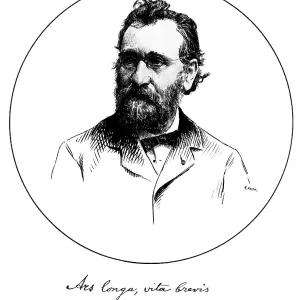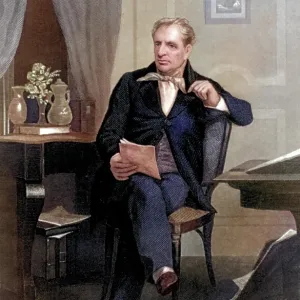

Henry Ford, American Inventor and Industrialist
Henry Ford (July 30, 1863 - April 7, 1947) was an American industrialist, the founder of the Ford Motor Company, and sponsor of the development of the assembly line technique of mass production. His introduction of the Model T automobile revolutionized transportation and American industry. As owner of the Ford Motor Company, he became one of the richest and best-known people in the world. He is credited with Fordism': mass production of inexpensive goods coupled with high wages for workers. He instituted the $5 a day minimum wage and is said to have contributed to the creation of the middle class. Ford had a global vision, with consumerism as the key to peace. His intense commitment to systematically lowering costs resulted in many technical and business innovations, including a franchise system that put dealerships throughout most of North America and in major cities on six continents. Ford left most of his vast wealth to the Ford Foundation but arranged for his family to control the company permanently. Ford was widely known for his pacifism during the first years of World War I, but also for being the publisher of antisemitic texts such as the book The International Jew. In ill health, Ford ceded the presidency to his grandson Henry Ford II in September 1945 and went into retirement. He died in 1947 of a cerebral hemorrhage at age 83
Pick your License
Restrictions Only for Ireland and United Kingdom
Anti Semitic Anti-semitic Cerebral Consumerism Hemorrhage Industrialist Magnate Minimum Pacifist Semitic Tycoon Vast Wage Wealth
Features In These Collections
> Contributors > PHR