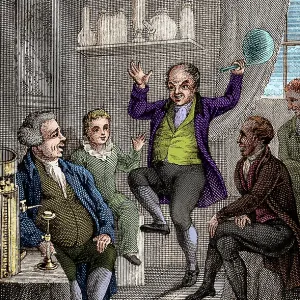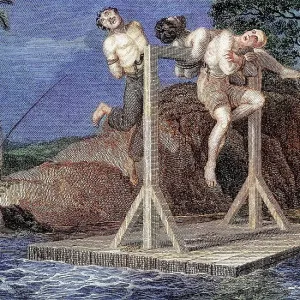

Irish Rebellion of 1798, Half-Hanging Torture
Half-hanging is a method of torture, usually inflicted to force information from the victim, in which a rope is pulled tightly around the victim's neck and then slackened when the victim becomes unconscious. The victim is revived and the process repeated. It was used by British Armed Forces in Ireland, most notably against suspected supporters of the Society of the United Irishmen after the failed 1798 rebellion. The Irish Rebellion of 1798 was an uprising against British rule in Ireland lasting from May-September 1798. The United Irishmen, a republican revolutionary group influenced by the ideas of the American and French revolutions, were the main organizing force behind the rebellion. The intimate nature of the conflict meant that the rebellion at times took on the worst characteristics of a civil war. Sectarian resentment was fueled by the remaining Penal Laws still in force. Rumors of planned massacres by both sides were common in the days before the rising and led to a widespread climate of fear. For those rebels who were taken alive in the aftermath of battle, being regarded as traitors to the Crown, they were not treated as prisoners of war but were executed, usually by hanging
Pick your License
Restrictions Only for Ireland and United Kingdom
1700s 1790s 1798 Angland Cruel Cruelty Eighteenth Gallows Infamous Inhumane Inhumanity Interrogate Interrogation Irishmen Method Notorious Persecute Persecuted Persecuting Persecution Punish Punishing Reprisals Suffering Torturer Torturing
Features In These Collections
> Contributors > PHR