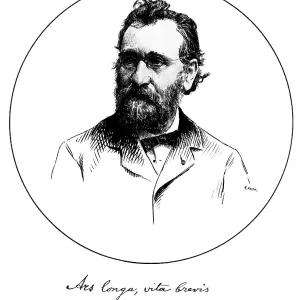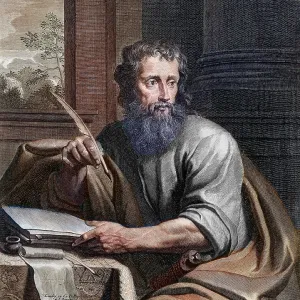
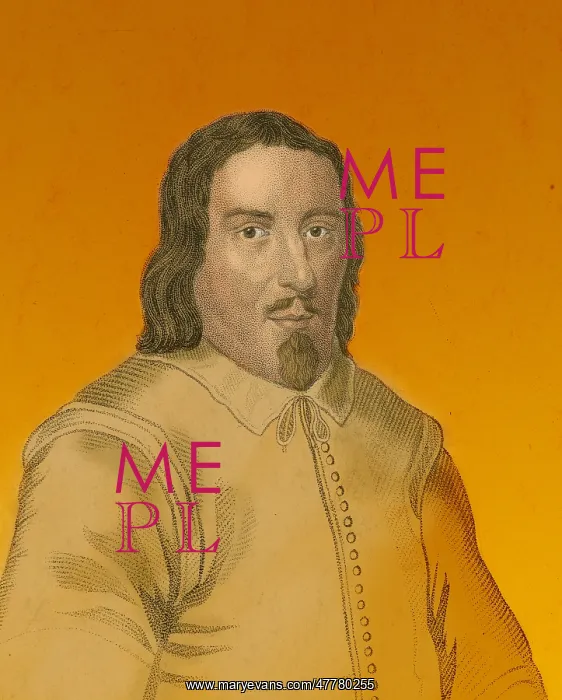
Jakob Bohme, German Philosopher
Jakob Bohme (April 24, 1575 - November 17, 1624) was a German philosopher, Christian mystic, and Lutheran Protestant theologian. Bohme's first job was that of a herd boy. He was, however, deemed to be not strong enough for husbandry. When he was 14 years old, he became an apprentice shoemaker. He regularly prayed and read the Bible as well as works by visionaries such as Paracelsus, Weigel and Schwenckfeld, although he received no formal education. He had a number of mystical experiences throughout his youth, culminating in a vision in 1600 as one day he focused his attention onto the exquisite beauty of a beam of sunlight reflected in a pewter dish. He believed this vision revealed to him the spiritual structure of the world, as well as the relationship between God and man, and good and evil. He was considered an original thinker by many of his contemporaries within the Lutheran tradition, and his first book, commonly known as Aurora, caused a great scandal. Bohme produced an enormous amount of writing, including his major works De Signatura Rerum (The Signature of All Things) and Mysterium Magnum. He also developed a following throughout Europe, where his followers were known as Behmenists. He died in 1624 at the age of 49
Pick your License
Restrictions Only for Ireland and United Kingdom
1575 1624 Autodidact Bohme Jakob Lutheran Mystic Theologist
Features In These Collections
> Contributors > PHR