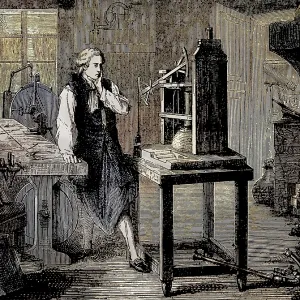

Johann Friedrich Bottger, Ceramic Laboratory
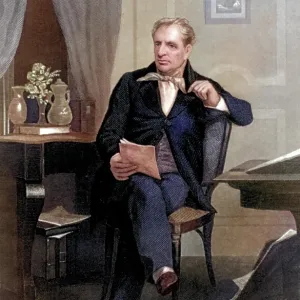
The ceramic laboratory of Bottger, in the castle of Albert, in Saxony. Johann Friedrich Bottger (February 4, 1682 - March 13, 1719) was a German alchemist credited with being the first European to discover the secret of the creation of hard-paste porcelain in 1708, but it has also been claimed that Ehrenfried Walther von Tschirnhaus produced porcelain first. Around 1700, as an apprentice chemist, he locked himself up to discover the Goldmachertinktur, an alchemist's secret substance that could cure any disease and convert base metals into gold. The monarch of Saxony Augustus II of Poland, who was always short of money, demanded that Bottger produce the Goldmachertinktur. In 1704, von Tschirnhaus was ordered to oversee the goldmaker. In 1707 the king went to the new laboratory that had been furnished for von Tschirnhaus in what is today Bruhlsche Terrasse in order to examine the invention. The Meissen factory, established 1710, was the first to produce porcelain in Europe in large quantities and since the recipe was kept a trade secret by Bottger for his company, experiments continued elsewhere throughout Europe
Pick your License
Restrictions Only for Ireland and United Kingdom
1682 1700 1704 1707 1708 1710 1719 Alchemist Alchemy Apprentice Augustus Bottger Ceramics Claimed Continued Convert Credited Cure Demanded Discover Ehrenfried Elsewhere Established Examine Experiments Figuier Furnished Grandes Inventions Kept Locked Meissen Metals Ordered Oversee Produce Quantities Recipe Substance Terrasse Throughout Walther
Features In These Collections
> Contributors > PHR