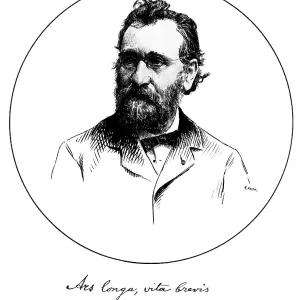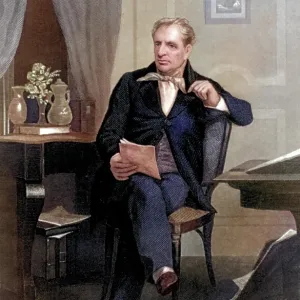
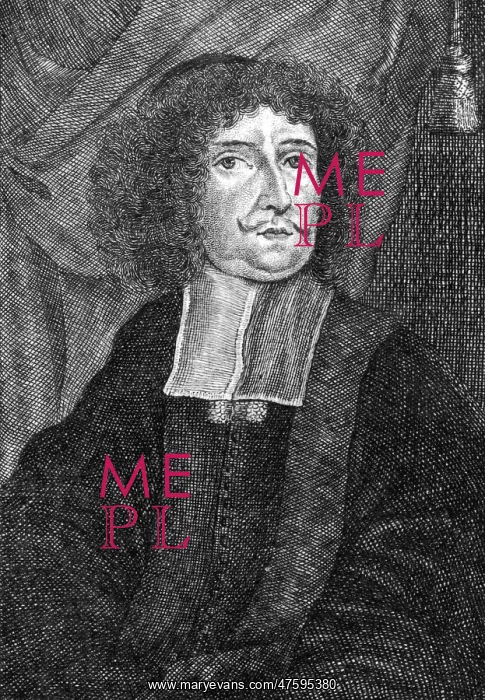
Johann Joachim Becher, German Alchemist
Johann Joachim Becher (1635-1682) was a German physician, alchemist, precursor of chemistry, scholar and adventurer, best known for his development of the phlogiston theory of combustion. An obsolete scientific theory that postulated the existence of a fire-like element called phlogiston, which was contained within combustible bodies and released during combustion. The theory was an attempt to explain processes of burning such as combustion and the rusting of metals, which are now collectively known as oxidation. Becher was also important in the advancement of Austrian cameralism (educational path for the civil servants of the royal chamber). In 1657, he was appointed professor of medicine at the University of Mainz and physician to the archbishop-elector. His Metallurgia was published in 1660; and the next year appeared his Character pro notitia linguarum universali, in which he gives 10, 000 words for use as a universal language. In 1663, he published his Oedipum Chemicum and a book on animals, plants and minerals. In 1669 he published his Physica Subterranea, in which he claimed that given the right materials, he could make himself invisible. He died in 1682 at the age of 47
Pick your License
Restrictions Only for Ireland and United Kingdom
1635 1657 1660 1663 1669 1682 Alchemist Alchemy Becher Chemical Combustion Joachim Metallurgist Physica Scholar Subterranean Theory
Features In These Collections
> Contributors > PHR