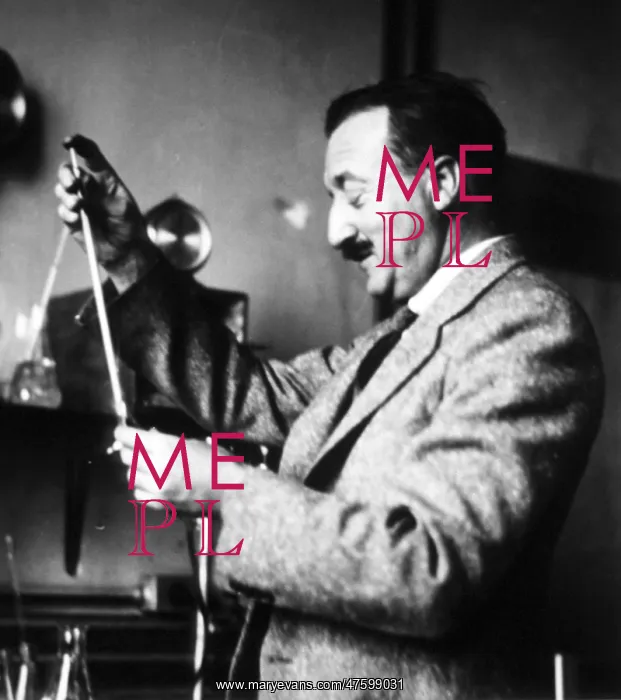
John Howard Northrop, American Biochemist
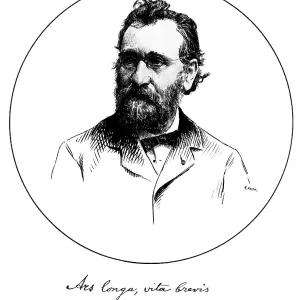
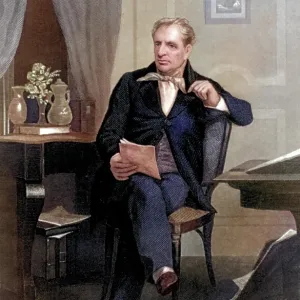
John Howard Northrop (1891-1987) was an American biochemist. During World War I, he conducted research for the U.S. Army Chemical Warfare Service on the production of acetone and ethanol through fermentation. This work led to studying enzymes. In 1929, Northrop isolated and crystallized the gastric enzyme pepsin and determined that it was a protein. In 1938 he isolated and crystallized the first bacteriophage (a small virus that attacks bacteria), and determined that it was a nucleoprotein. Northrop also isolated and crystallized pepsinogen (the precursor to pepsin), trypsin, chymotrypsin, and carboxypeptidase. He won, with James Batcheller Sumner and Wendell Meredith Stanley, the 1946 Nobel Prize in Chemistry. The award was given for these scientists isolation, crystallization, and study of enzymes, proteins, and viruses. Northrop was employed by the Rockefeller Institute for Medical Research in New York City from 1916 until his retirement in 1961. He committed suicide in 1987
Pick your License
Restrictions Only for Ireland and United Kingdom
Attacks Bacteria Biochemist Biochemistry Chemical Enzyme Enzymes Gastric Isolated Laureate Meredith Nobelist Northrop Recipient Researcher Rockefeller Studied Suicide Sumner Virus Wendell
Features In These Collections
> Contributors > PHR