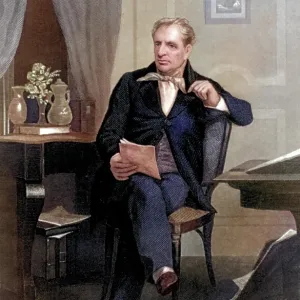
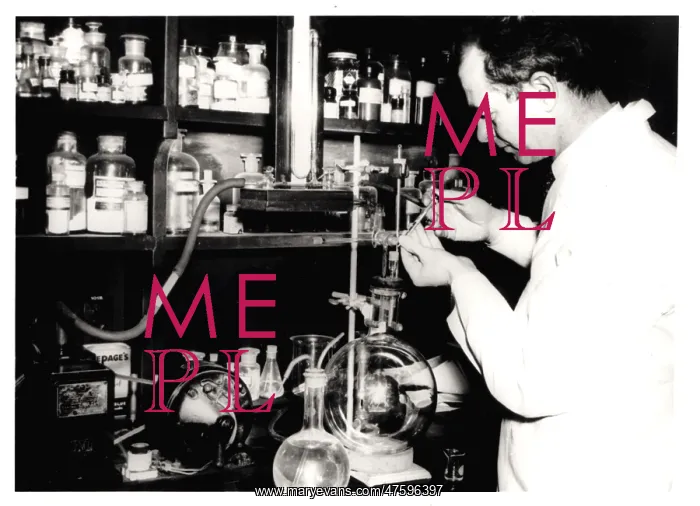
Linus Pauling, American Biochemist
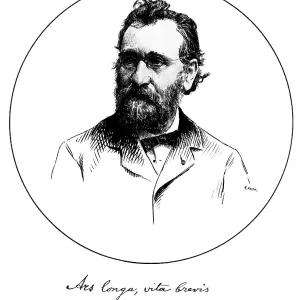
Linus Pauling (1901-1994) was an American chemist who won the 1954 Nobel Prize in Chemistry for his research into the nature of the chemical bond and its application to the elucidation of the structure of complex substances. He also won the 1962 Nobel Peace Prize, making him the only person to win two unshared Nobel prizes. H revolutionized the study of chemistry, helped found the field of molecular biology, and made important advances in medical research. After winning the Nobel Prize, Pauling focused his attention on peace work, organizing scientists and speaking out against nuclear testing and proliferation, often to great criticism and at remarkable personal cost. His peace activism work was capped in the fall of 1963 with the Nobel Peace Prize for 1962 (a year in which no prize had been awarded). The award was greeted with widespread criticism in the press. The lukewarm congratulations of his home institution, Caltech, led to his painful resignation from the school that had been his academic home for more than 40 years. Pauling spent the next decade as an academic nomad, working at different think tanks and universities. For over twenty years, between 1973 and 1994, Pauling's research focused on a field he termed orthomolecular medicine, the concept that optimal health could result from ensuring that the right molecules were present in the right amount in the body. He viewed vitamin C as one of the most important of these molecules, oversaw a number of investigations into its effects on diseases, and encouraged the ingestion of daily amounts many times greater than the accepted minimum daily requirement. Many physicians attacked his approach; the medical community criticized his decision to publish a popular book on the subject without prior peer-reviewed scientific publication; and many thought his claims unsubstantiated. Pauling fought back with typical determination. In 1973 he co-founded a California research institute devoted to the study of the health effects of vitamin C and other nutrients. He conducted research there until his death from cancer in 1994, at age 93
Pick your License
Restrictions Only for Ireland and United Kingdom
Biochemist Biochemistry Biology Chemistry Controversial Crystallography Genetics Laureate Linus Molecular Moleular Pauling Polymath Quantum Researcher Unites X Ray X-ray
Features In These Collections
> Contributors > PHR