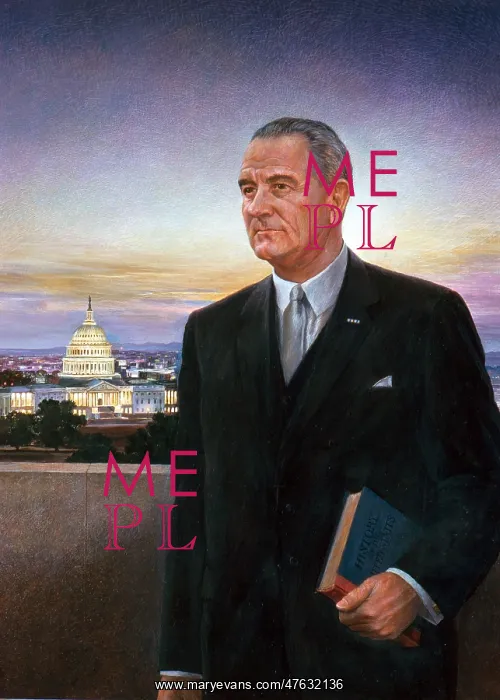
Lyndon B. Johnson, 36th American President
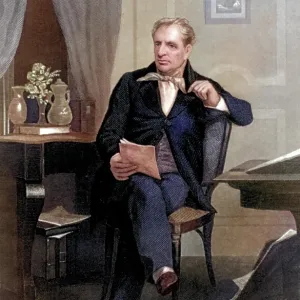
LBJ painted by Peter Hurd in 1967. Lyndon Baines Johnson (August 27, 1908 - January 22, 1973) was the 36th President of the United States (1963-1969). He served in all four elected federal offices of the United States: Representative, Senator, Vice President, and President. After campaigning unsuccessfully for the Democratic nomination in 1960, Johnson was asked by John F. Kennedy to be his running mate for the 1960 presidential election. He became president following the assassination of JFK on November 22, 1963. He completed Kennedy's term and was elected President in his own right, winning by a large margin in the 1964 election. He was responsible for designing the Great Society legislation that included laws that upheld civil rights, public broadcasting, Medicare, Medicaid, environmental protection, aid to education, and his War on Poverty. Johnson was renowned for his domineering personality and the Johnson treatment, his coercion of powerful politicians in order to advance legislation. Johnson escalated American involvement in the Vietnam War. The involvement stimulated a large angry antiwar movement. Summer riots broke out in most major cities after 1965, and crime rates soared. He did poorly in the 1968 New Hampshire primary and ended his bid for reelection. Republican Richard Nixon was elected to succeed him. Historians agree that Johnson's presidency marked the peak of modern liberalism in the US and he is ranked favorably because of his domestic policies. He died at his ranch on January 22, 1973 at age 64 after suffering a massive heart attack the day before a ceasefire was signed in Vietnam
Pick your License
Restrictions Only for Ireland and United Kingdom
36th Baines Broadcasting Environmental Liberalism Lyndon Medicare Ninth Presidency Ranked Representative Sixth Thirty Thirty-sixth
Features In These Collections
> Contributors > PHR