Medieval Torture
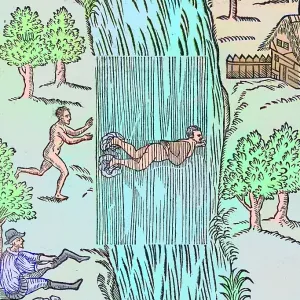
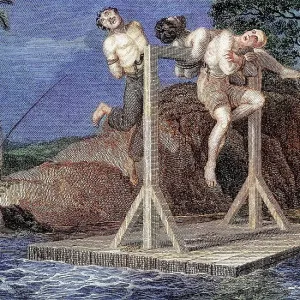
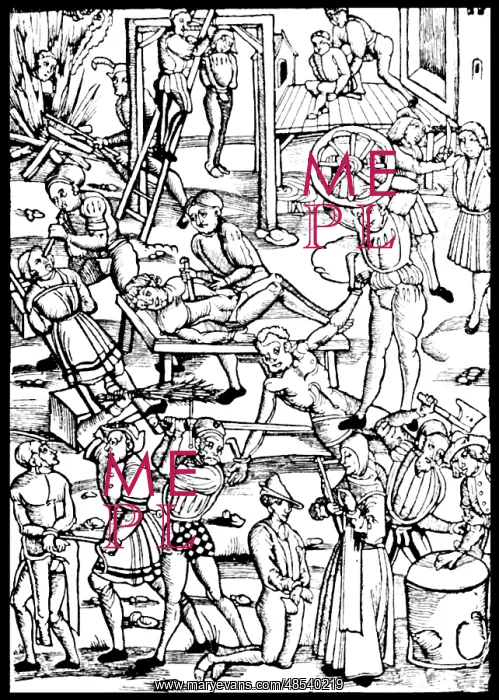
Medieval and early modern European courts used torture, depending on the crime of the accused and his or her social status. Torture was deemed a legitimate means to extract confessions or to obtain the names of accomplices or other information about a crime, although many confessions were greatly invalid due to the victim being forced to confess under great agony and pressure. It was permitted by law only if there was already half-proof against the accused. Torture in the Medieval Inquisition began in 1252 with a papal bull Ad Extirpanda and ended in 1816 when another papal bull forbade its use. Torture was usually conducted in secret, in underground dungeons. By contrast, torturous executions were typically public, and woodcuts of prisoners being hanged, drawn and quartered, and heretics were burned at the stake show large crowds of spectators. Tortures later in the Middle Ages consisted of whipping; the crushing of thumbs, feet, legs, and heads in iron presses; burning the flesh; and tearing out teeth, fingernails, and toenails with red-hot iron forceps. Limb-smashing and drowning were also popular medieval tortures
Pick your License
Restrictions Only for Ireland and United Kingdom
1500s 1508 Behead Beheading Burned Cruel Cruelty Decapitate Decapitation Execute Executed Executing Gallows Impaled Impalement Infamous Inhumane Inhumanity Interrogate Interrogation Method Notorious Persecute Persecuted Persecuting Persecution Punish Punishing Sixteenth Stake Suffering Torturer Torturing Woodblock
Features In These Collections
> Contributors > PHR