

 : North Africa, Carthage, Roman Aqueduct, 2nd Century


North Africa, Carthage, Roman Aqueduct, 2nd Century

Carthage's Ancient Aqueduct which formerly brought water to ancient Carthage from the springs of Zahouan and Djouar in Tunisia more than 300 complete arches yet remain in excellent condition. The vast aqueduct constructed early in the second century by the Roman emperors Hadrian and Septimus Severus was about 88 miles long. In ancient times, Tunisia was primarily inhabited by Berbers. Phoenician immigration began in the 12th century BC; these immigrants founded Carthage. A major mercantile power and a military rival of the Roman Republic, Carthage was defeated by the Romans in 146 BC. The Romans, who would occupy Tunisia for most of the next 800 years, introduced Christianity and left architectural legacies like the El Djem amphitheater. The Muslims conquered the whole of Tunisia by 697, followed by the Ottoman Empire between 1534 and 1574. The Ottomans held sway for over 300 years. The French colonization of Tunisia occurred in 1881. Tunisia gained independence with Habib Bourguiba and declared the Tunisian Republic in 1957. American Red Cross, T.T. and C. June 15, 1920
Picture No
12697850
Media ID
47676024
Size
4500px x 3116px (5.3MB)
Credit
LOC/Science Source/Mary Evans

Pick your License

Please tell us the book title or ISBN

Please supply intended use


Restrictions Only for Ireland and United Kingdom

Aqueduct Barbary Berber Berbery Hadrian Septimus Severus Tunis


Features In These Collections

> Contributors > PHR

Gallery Wall Inspiration

Ilya Ilyich Mechnikov, Russian Immunologist
Laughing Gas, Nitrous Oxide
James Watt, Scottish Inventor and Engineer
Asteriornis ancient bird, illustration
Hesperornis ancient bird, illustration
Icthyornis ancient bird, illustration
Confuciusornis sanctus ancient bird, illustration
Deinonychus ancient bird art, illustration
Laughing Gas, Nitrous Oxide
Thames Water Drop, 1850
Michael Faraday and Father Thames, 1855
Thames Water Drop, 1850
Michael Faraday and Father Thames, 1855
Cellular Plant Tissue, Matthias Jakob Schleiden, 1847
Henry Maudsley, British Psychiatrist
Swimming Manual, Digby, 1587
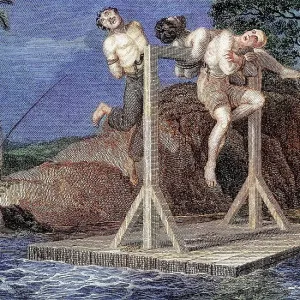
Russian Pirates, 1805
Ilya Ilyich Mechnikov, Russian Immunologist
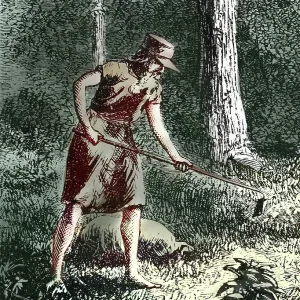
Johnny Appleseed, American Nurseryman
Saint Paul, Christian Apostle
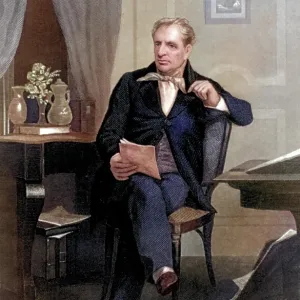
James Fenimore Cooper, American Author
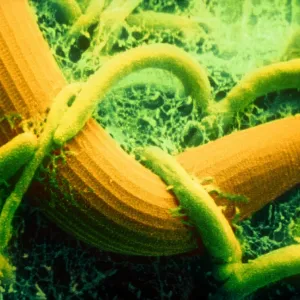
Arthrobotrys, SEM
Rhizopus sexualis, SEM
Flint Hatchet, Stone Age Tool


© Copyright Mary Evans Picture Library - All Rights Reserved 2026
Powered by Media Storehouse®
We accept all major payment options so you can pay for the things you need in the way that is most convenient for you
Facebook     Twitter     Instagram