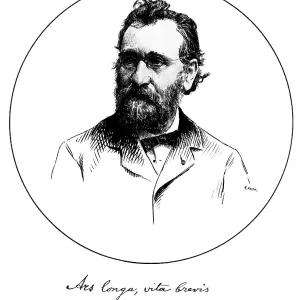
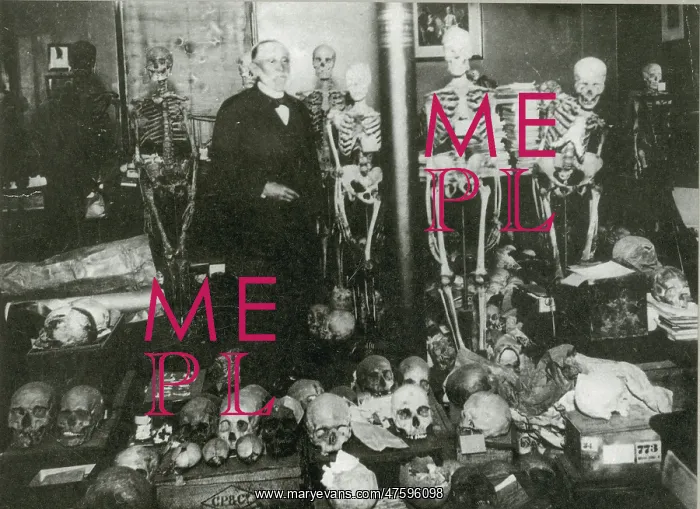
Rudolph Virchow, German Pathologist
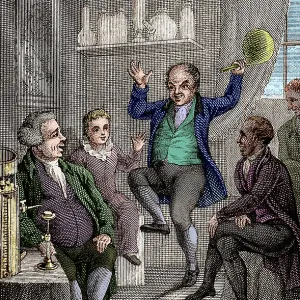
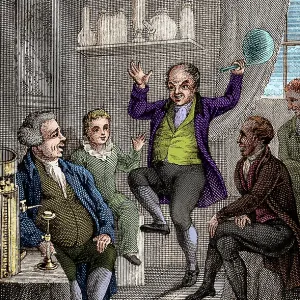
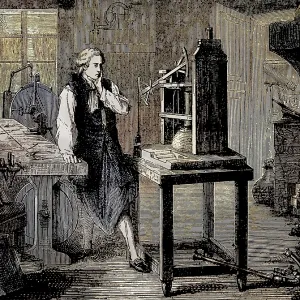
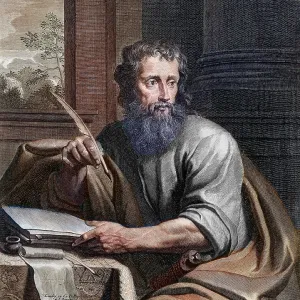
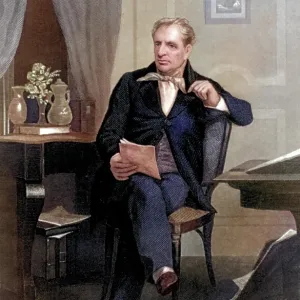
Virchow and friends in the pathology laboratory at the Charity Hospital, Berlin, has always been used to project an image of the physician dedicated to his work. But Virchow was a man of even greater distinction than the photo suggests. Rudolph Carl Virchow (1821-1902) was a German doctor, anthropologist, pathologist, prehistorian, biologist and politician, known for his advancement of public health. Referred to as the father of modern pathology, he is considered one of the founders of social medicine. Virchow is credited with multiple important discoveries. Virchow's most widely known scientific contribution is his cell theory, which built on the work of Theodor Schwann. He is cited as the first to recognize leukemia cells. Another significant credit relates to the discovery, made approximately simultaneously by Virchow and Charles Emile Troisier, that an enlarged left supra-clavicular node is one of the earliest signs of gastrointestinal malignancy and has become known both as Virchow's node and Troisier's sign. Virchow described the factors contributing to venous thrombosis, Virchow's triad and coined the term embolism. He founded the medical fields of cellular pathology and comparative pathology. In response to a lack of standardization of autopsy procedures, he established and published specific autopsy protocols. Virchow was an advocate for social and political reform stating, The physicians are the natural attorneys of the poor, and social problems fall to a large extent within their jurisdiction. He died of heart failure in 1902 at the age of 80
Pick your License
Restrictions Only for Ireland and United Kingdom
Amateur Anthropologist Anthropology Archaeologist Cells Cellular Embolism Leukemia Pathological Pathologist Pathology Rudolph Theory Thrombosis Troy Virchow
Features In These Collections
> Contributors > PHR