Sacagawea, Native American
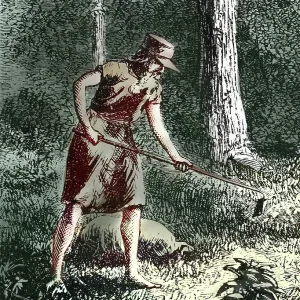
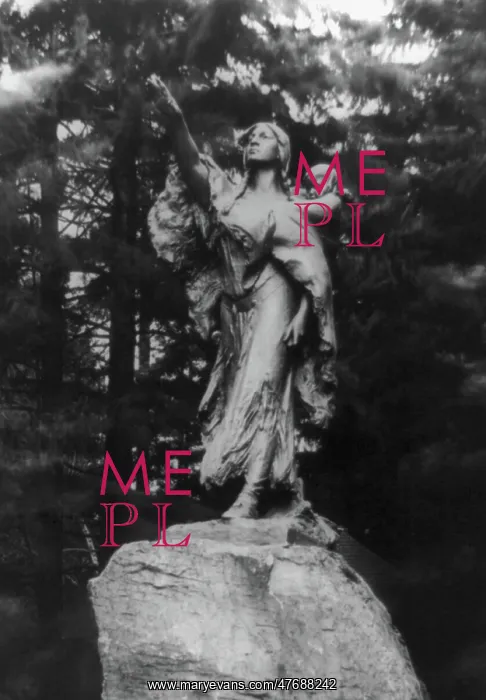
Sacajawea Monument in City Park, Portland, Oregon. Statue by Alice Cooper. Sacagawea (May 1788 E?? December 20, 1812) was a Lemhi Shoshone woman who is known for her help to the Lewis and Clark Expedition. Reliable historical information about Sacagawea is very limited. In 1800, when she was about 12 years old, she and several other girls were kidnapped by a group of Hidatsa and held captive. At about age 13, she was sold into a nonconsensual marriage to Toussaint Charbonneau, a Quebecois trapper living in the village. Sacagawea was pregnant with her first child when the Corps of Discovery arrived near the Hidatsa villages to spend the winter of 1804-05. Lewis and Clark hired Charbonneau as an interpreter when they discovered his wife spoke Shoshone, and they knew they would need the help of Shoshone tribes at the headwaters of the Missouri. Sacagawea traveled with the expedition thousands of miles from North Dakota to the Pacific Ocean. She helped establish cultural contacts with Native American populations in addition to her contributions to natural history. While Sacagawea has been depicted as a guide for the expedition, she is recorded as providing direction in only a few instances. Her work as an interpreter certainly helped the party to negotiate with the Shoshone however, her greatest value to the mission may have been simply her presence during the arduous journey, which demonstrated the peaceful intent of the expedition. No photographer credited, 1912
Pick your License
Restrictions Only for Ireland and United Kingdom
Interpreter Sacagawea Shoshone Transcontinental
Features In These Collections
> Contributors > PHR