
South Africa, Khoikhoi Hut
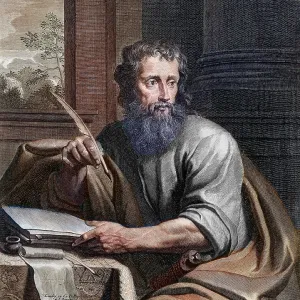
Hoe de Hottentotten hunne woningen veranderen (How the Hottentots change their homes). The Khoikhoi are the traditionally nomadic pastoralist non-Bantu indigenous population of southwestern Africa. The basic housing structure of the Khoikhoi was a round hut (matjioeshuis) made of a frame of green branches planted into the ground and bent over and tied together. This was covered with reed mats. It could be dismantled and re-erected in a new location when grazing in the area became depleted. Sometimes the mats were simply removed and rolled up. People left the frames behind if they knew they would be returning to the same site. Peter Kolbe (1675-1726) was a Dutch astronomer and naturalist. He is best remembered for his publication Naauwkeurige beschryving van de Kaap de Goede Hoop, describing the geography, climate, flora and fauna, followed by an accurate study of the Hottentots (Khoikhoi), covering their language, religion, lifestyle and customs. Cropped, original sized image appeared in: Naauwkeurige beschryving van de Kaap de Goede Hoop by Peter Kolbe, 1727
Pick your License
Restrictions Only for Ireland and United Kingdom
1700s 1727 Colbe Eighteenth Hottentots Khoi Khoikhoi Khoisan Kolb Kolbe Kolben Nomad Nomadic Nomads Pastoralism Pastoralist Pastoralists
Features In These Collections
> Contributors > PHR