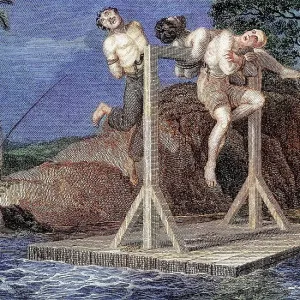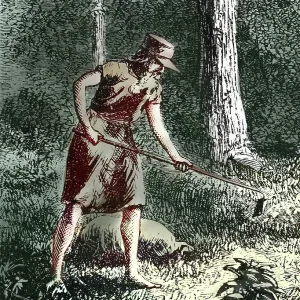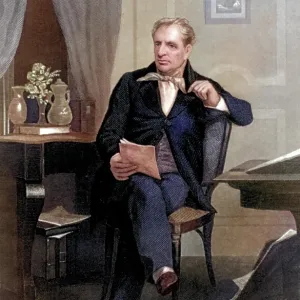
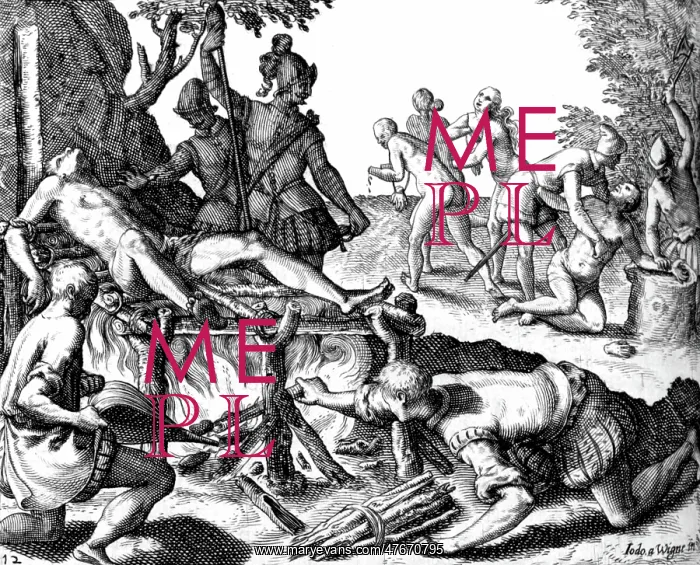
Spanish Persecution in the West Indies, 16th Century
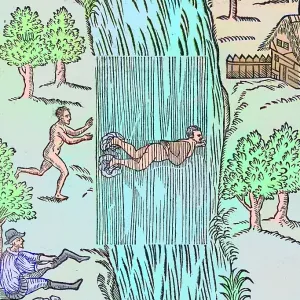
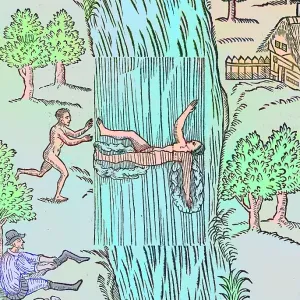
According to de las Casas the conquistadors would mutilate the native population, often for no reason and with no provocation. He wrote: With my own eyes I saw Spaniards cut off the nose, hands and ears of Indians, male and female, without provocation, merely because it pleased them to do it.In 1552, the Dominican friar Bartolome de las Casas published the BrevCisima relaciCun de la destrucciCun de las Indias (A Short Account of the Destruction of the Indies), an account of atrocities committed by landowners and officials during the colonization of New Spain, particularly in Hispaniola (Haiti and the Dominican Republic). Las Casas, who accompanied Columbus on his second voyage, described Columbus's treatment of the natives in his History of the Indies. His description of Spanish savagery was used by writers of Spain's rivals as a convenient basis for attacks on Spain which would later be referred to as The Black Legend. Las Casas was one of the first advocates for the indigenous people. He spent 50 years of his life fighting slavery and the colonial abuse of indigenous peoples, by trying to convince the Spanish court to adopt a more humane policy of colonization. Engravings appeared in Narratio regionum Indicarum per Hispanos quosdam deuastatarum verissima by Theodore de Bry in 1598
Pick your License
Restrictions Only for Ireland and United Kingdom
Abuse Amerindians Atrocities Atrocity Barbaric Bartolome Burned Casas Cruel Cruelty Infamous Inhumane Inhumanity Mutilation Notorious Persecute Persecuted Persecuting Persecution Punish Punishing Sixteenth Stake Taino Theodor Theodorus
Features In These Collections
> Contributors > PHR