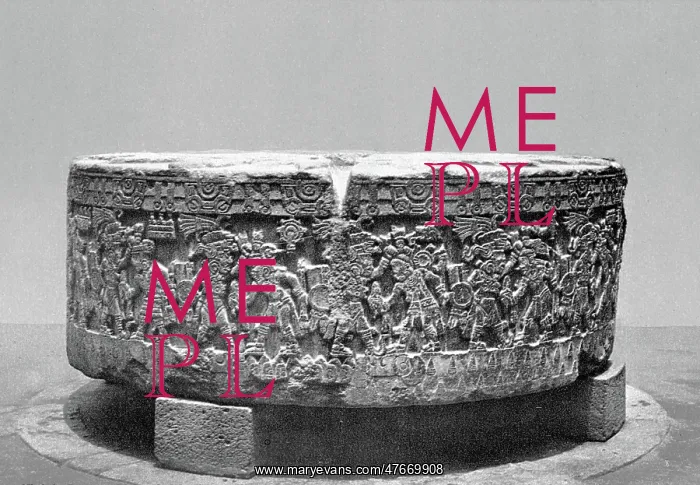


 : Stone of Tizoc, Aztec Sacrificial Stone


Stone of Tizoc, Aztec Sacrificial Stone

The Stone of Tizoc is a large, round, carved Aztec stone made of basalt. It is thought to have been a Cuauhxicalli, in which the hearts of victims of sacrifice were placed. The importance of the Stone of Tizoc is that it was used during the human sacrifices, which Tizoc the emperor wanted glorified through his name. In addition, the emperor of the Aztecs would tend to conceive his children on this rock, soaking in the blood of his enemies. The Stone of Tizoc has become a staple of Aztec history along with the Aztec Calendar Stone. The Aztec sacrifice was held at the top of temples on specially chosen mountains such as Tenochtitlan, Texcoco, and Tlacopan in which priests had the victims tied to a large, flat stone and then proceeded to cut their hearts out, lifting it up to the sun as an offering. The bodies were either thrown down the temple stairs or the heads were impaled on a rack, also known as a tzompantli. Photographed by William Henry Jackson for Detroit Publishing Company, circa 1884-1900

Picture No
12696126
Media ID
47669908
Size
4500px x 3113px (3.2MB)
Credit
LOC/Science Source/Mary Evans

Pick your License

Please tell us the book title or ISBN

Please supply intended use


Restrictions Only for Ireland and United Kingdom

Aztec Aztlan Mesoamerica Mesoamerican Mexica Nahuatl Pre-columbian Sacrifice Sacrificial Sovereign Tizoc Tlatoani


Features In These Collections

> Contributors > PHR
Gallery Wall Inspiration

Ilya Ilyich Mechnikov, Russian Immunologist
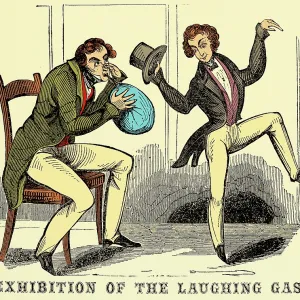
Laughing Gas, Nitrous Oxide
James Watt, Scottish Inventor and Engineer
Asteriornis ancient bird, illustration
Hesperornis ancient bird, illustration
Icthyornis ancient bird, illustration
Confuciusornis sanctus ancient bird, illustration
Deinonychus ancient bird art, illustration
Laughing Gas, Nitrous Oxide
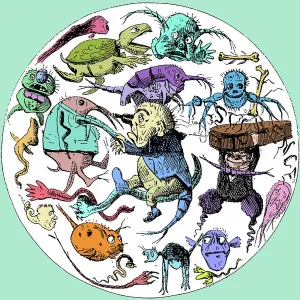
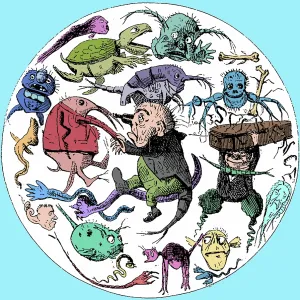
Thames Water Drop, 1850
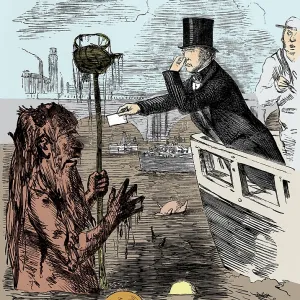
Michael Faraday and Father Thames, 1855
Thames Water Drop, 1850
Michael Faraday and Father Thames, 1855
Cellular Plant Tissue, Matthias Jakob Schleiden, 1847
Henry Maudsley, British Psychiatrist
Swimming Manual, Digby, 1587
Russian Pirates, 1805
Ilya Ilyich Mechnikov, Russian Immunologist
Johnny Appleseed, American Nurseryman
Saint Paul, Christian Apostle
James Fenimore Cooper, American Author
Arthrobotrys, SEM
Rhizopus sexualis, SEM
Flint Hatchet, Stone Age Tool


© Copyright Mary Evans Picture Library - All Rights Reserved 2026
Powered by Media Storehouse®
We accept all major payment options so you can pay for the things you need in the way that is most convenient for you
Facebook     Twitter     Instagram