
Tax Collector Tarred and Feathered, 1764
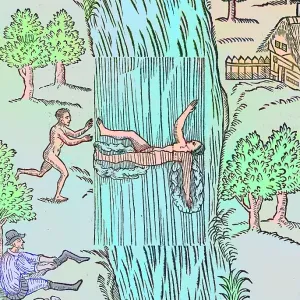
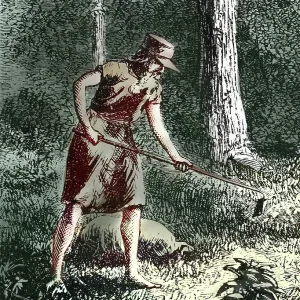
Radical Bostonians attack a government tax collector, coating him with hot, sticky tar and covering him with feathers. Tarring and feathering is a form of public humiliation used to enforce unofficial justice or revenge. It was used in feudal Europe and its colonies in the early modern period, as well as the early American frontier, mostly as a type of mob vengeance. Engraving associated with the Sugar Act passed by Parliament on April 5, 1764, and it arrived in the colonies at a time of economic depression. It was an indirect tax, although the colonists were well informed of its presence. A good part of the reason was that a significant portion of the colonial economy during the Seven Years War was involved with supplying food and supplies to the British Army. Colonials, however, especially those affected directly as merchants and shippers, assumed that the highly visible new tax program was the major culprit. As protests against the Sugar Act developed, it was the economic impact rather than the constitutional issue of taxation without representation that was the main focus for the colonists. Unknown source
Pick your License
Restrictions Only for Ireland and United Kingdom
1700s 1760s 1764 Brutality Collector Colonists Duties Eighteenth Feathering Humiliation Infamous Massachusettes Method Notorious Patriots Punish Punishing Rebels Revenue Tarred Tarring Torturer Torturing Unofficial Vengeance
Features In These Collections
> Contributors > PHR