

 : Unicornus varius, 1491


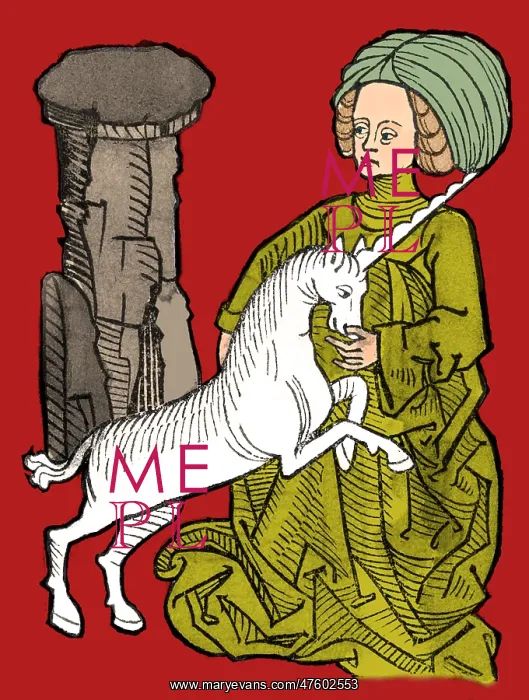
Unicornus varius, 1491

Woodcut of a kneeling woman petting a unicorn. First mentioned by the ancient Greeks, it became the most important imaginary animal of the Middle Ages and Renaissance when it was commonly described as an extremely wild woodland creature, a symbol of purity and grace, which could only be seen and/or captured by a virgin. It has been described in European folklore as resembling a white horse with a large, pointed, spiraling horn projecting from its forehead, and sometimes a goat's beard and cloven hooves. At at other times described as resembling a small horse but with a long, straight horn growing out of its forehead having the legs of a deer and the tail of a lion. In alchemy the unicorn represented the Moon. Many believed that a unicorn's horn had the ability to neutralize poisons. Accounts of unicorns and their magical properties are found in literature, art, and legend. An animal mentioned in the Bible, Deuteronomy 33:17: (mistranslation in the Authorized Version of the original Hebrew) now believed by some to be a description of a wild ox or rhinoceros
Picture No
10802835
Media ID
47602553
Size
2700px x 3573px (1.9MB)
Credit
©Photo Researchers / Mary Evans Picture Library
Source
Photo Researchers

Pick your License

Please tell us the book title or ISBN

Please supply intended use


Restrictions Only for Ireland and United Kingdom

Alchemy Captures Chaste Chastity Enhance Enhancement Goodness Imaginary Innocence Legendary Magical Mythical Petting Properties Purity Represents Unicorn Varius Virgins Visible Woodblock Woodland


Features In These Collections

> Contributors > PHR

Gallery Wall Inspiration

Ilya Ilyich Mechnikov, Russian Immunologist
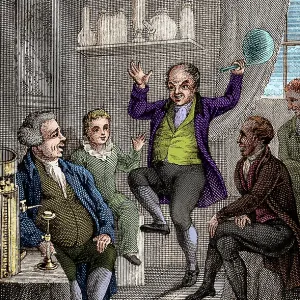
Laughing Gas, Nitrous Oxide
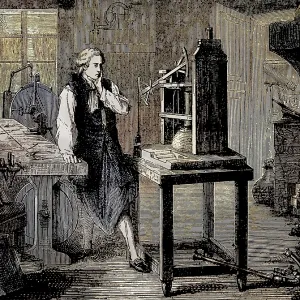
James Watt, Scottish Inventor and Engineer
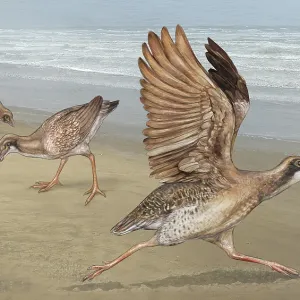
Asteriornis ancient bird, illustration
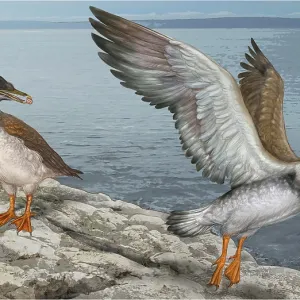
Hesperornis ancient bird, illustration
Icthyornis ancient bird, illustration
Confuciusornis sanctus ancient bird, illustration
Deinonychus ancient bird art, illustration
Laughing Gas, Nitrous Oxide
Thames Water Drop, 1850
Michael Faraday and Father Thames, 1855
Thames Water Drop, 1850
Michael Faraday and Father Thames, 1855
Cellular Plant Tissue, Matthias Jakob Schleiden, 1847
Henry Maudsley, British Psychiatrist
Swimming Manual, Digby, 1587
Russian Pirates, 1805
Ilya Ilyich Mechnikov, Russian Immunologist
Johnny Appleseed, American Nurseryman
Saint Paul, Christian Apostle
James Fenimore Cooper, American Author
Arthrobotrys, SEM
Rhizopus sexualis, SEM
Flint Hatchet, Stone Age Tool


© Copyright Mary Evans Picture Library - All Rights Reserved 2026
Powered by Media Storehouse®
We accept all major payment options so you can pay for the things you need in the way that is most convenient for you
Facebook     Twitter     Instagram