Virgil Shows Maecenas A Bee Paradise
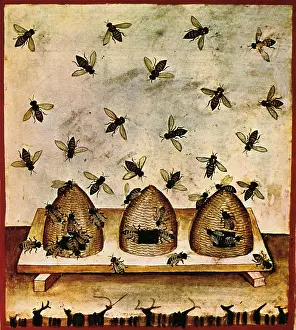
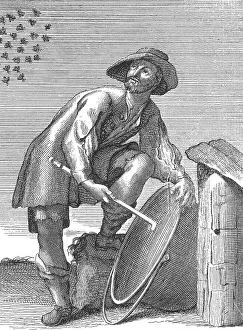
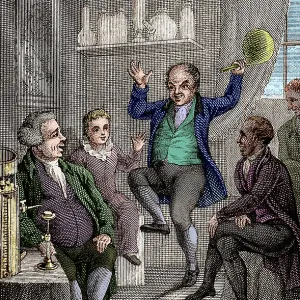
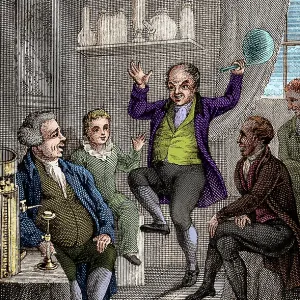
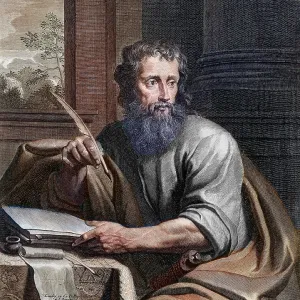
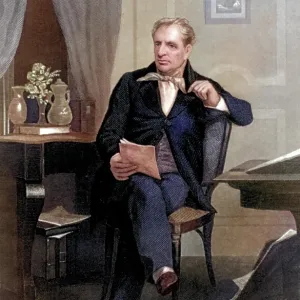
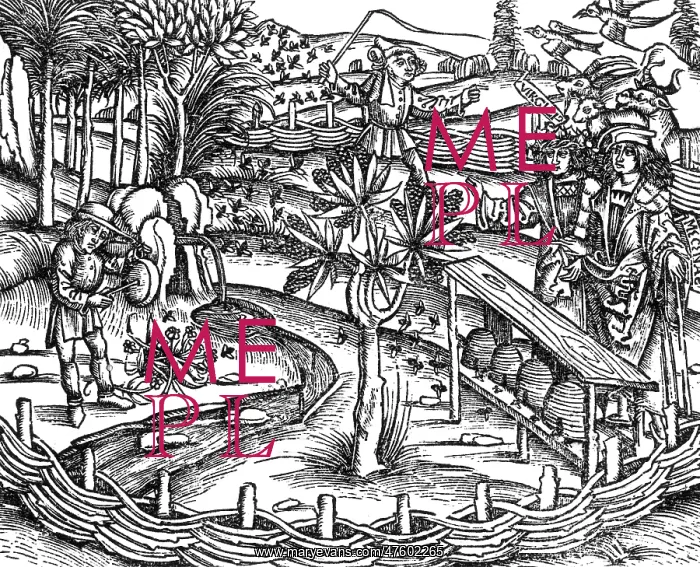
Virgil, the Roman poet, with his patron Maecenas standing behind beehives. The man on the left is giving the swarm warning on a cymbal, a means used by ancient peoples to intimidate a swarm of bees to flight so as to be able to bring them in more easily. Publius Vergilius Maro (70-19 BC), usually called Virgil or Vergil in English, was an ancient Roman poet of the Augustan period. Virgil is ranked as one of Rome's greatest poets. His Aeneid has been considered the national epic of ancient Rome. Modeled after Homer's Iliad and Odyssey, the Aeneid follows the Trojan refugee Aeneas as he struggles to fulfill his destiny and arrive on the shores of Italy. According to the tradition, Virgil traveled to Greece around 19 BC in order to revise the Aeneid. While there he caught a fever and died. Gaius Cilnius Maecenas (70 BC-8 BC) was an ally, friend and political advisor to Octavian as well as an important patron for the new generation of Augustan poets. His name has become a byword for a wealthy, generous and enlightened patron of the arts. The technology of beekeeping has remained fairly constant throughout the centuries. Under Maecenas patronage Virgil spent wrote the Georgics (On Working the Earth) a didactic poem in hexameters in four books, written from 37-30 BC and dedicated to his patron. Book 1 treats the farming of land; book 2 is about growing trees, especially the vine and the olive; book 3 concerns cattle raising; and 4, beekeeping. Beekeeping is the maintenance of honey bee colonies, commonly in hives, by humans. A beekeeper (or apiarist) keeps bees in order to collect honey and other products of the hive (including beeswax, propolis, pollen, and royal jelly), to pollinate crops, or to produce bees for sale to other beekeepers. A location where bees are kept is called an apiary or bee yard
Pick your License
Restrictions Only for Ireland and United Kingdom
Advisor Aeneid Apiarist Apiary Apiculture Augustan Beehive Beekeeper Beekeeping Colonies Cymbal Epic Fever Gaius Georgics Hive Honey Honeybee Horticulture Intimidate Maecenas Management Maro Patron Pollinating Pollination Pollinator Publius Swarm Vergil Vergilius Vilnius Virgil Warning
Features In These Collections
> Contributors > PHR