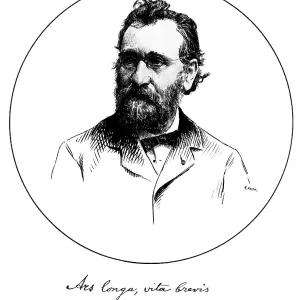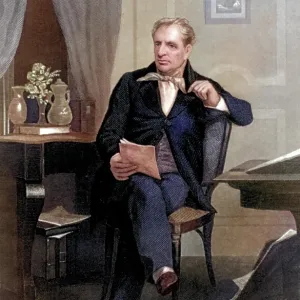
William Bowman, English Anatomist and Histologist
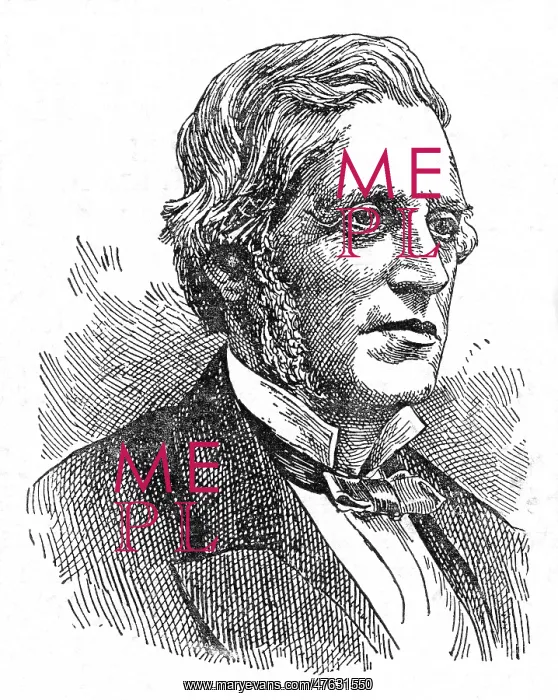
William Bowman, 1st Baronet (1816-1892) was an English surgeon, histologist and anatomist. He is most famous for his research using microscopes to study various human organs, though during his lifetime he pursued a successful career as an ophthalmologist. His earliest notable work was on the structure of striated muscle, for which he was elected a Fellow of the Royal Society in 1841. At the young age of 25, he identified what then became known as the Bowman's capsule, a key component of the nephron. His collaboration with Robert Bentley Todd, a Professor of physiology, led to the publication of Physiological Anatomy and Physiology of Man (1843-1856) and Cyclopaedia of Anatomy and Physiology (1852), which detailed their research on microscopy and histology, relating minute anatomical observations to physiological functions. Their extensive use of the microscopes revolutionized the study of anatomy and physiology. n 1884, Queen Victoria created him as a baronet. He died at his house in 1892
Pick your License
Restrictions Only for Ireland and United Kingdom
1816 1841 1852 Anatomical Anatomist Baronet Bentley Bowman Capsule Co Author Co Writer Co-author Co-writer Collaboration Collaborator Component Cyclopaedia Fellow Functions Glands Histologist Histology Knighted Membrane Microscopes Microscopist Microscopy Muscle Observations Ophthalmologist Ophthalmology Physiological Physiologist Physiology Researcher Revolutionized Striated
Features In These Collections
> Contributors > PHR