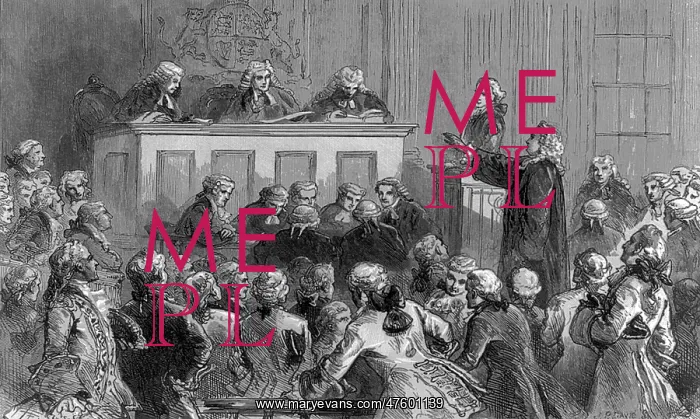
The Zenger Case, 1735
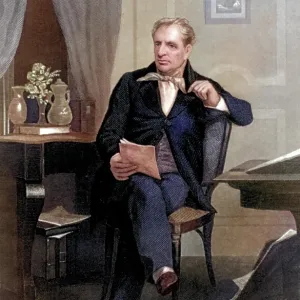
Illustration showing Andrew Hamilton defending John Peter Zenger in court. Zenger (1697-1746) was a defendant in a landmark legal case that determined that truth was a defense against charges of libel and laid the foundation for American press freedom. He printed a publication called The New York Weekly Journal which had harshly criticized the actions of the corrupt royal governor, William S. Cosby. Zenger never denied printing the pieces. His lawyer, Andrew Hamilton, decided to plead his client's case directly to the jury, admitting that Zenger printed the charges but demanding that the prosecution prove them false. After the arguments for both sides were finished, the jury was retired, only to return shortly with a verdict of not guilty. Although true freedom of the press was not known until the passage of the First Amendment, publishers felt freer to print their honest views
Pick your License
Restrictions Only for Ireland and United Kingdom
Accusation Amendment Argument Censorship Defendant Defended Guilty Honest Jurisprudence Libel Opposed Publisher Sedition Seditious
Features In These Collections
> Contributors > PHR